Plan to survive the first year, not perfect it
Almost every first-year teacher hits a low in the fall. It passes. Plan for it.
Written with AI — this one isn’t Tammy. The Field Guide covers ground her videos don’t, and keeps to what’s well established. It doesn’t know your students, and nothing here overrides your school’s policy or your state’s law. · 1 min read
What to do
- Researchers who followed new teachers describe a common arc: excitement, then survival, then a dip around October and November, then recovery after winter break. Knowing that makes the dip less frightening.
- Borrow and adapt materials. You don't need to create every lesson from scratch, and nobody expects you to.
- Batch your grading, and set a time you leave the building at least a few days a week.
- Find a mentor, formal or not — someone who'll tell you the truth and who you can ask “is this normal?”
- Use the support that exists: your employee assistance program, your doctor, the teacher down the hall. Struggling isn't failing.
Why it works
First-year teachers often assume exhaustion means they're doing it wrong. Usually it means they're doing a genuinely hard job for the first time. The teachers still there in year three are rarely the ones who were perfect in year one; they're the ones who found a pace they could keep.
Try this tomorrow
Pick three days next week when you'll leave by a set time, whatever's unfinished. Put them in your calendar like appointments.
Watch out
Comparing yourself to a veteran's classroom is a trap. You're seeing their year twenty against your month two.
Tammy on this
The same subject from someone who has actually done it for thirty years.
 1:28
Cry week is coming, and it's normal
Progress reports, report cards and conferences all land in the same stretch.
With Tammy Striler
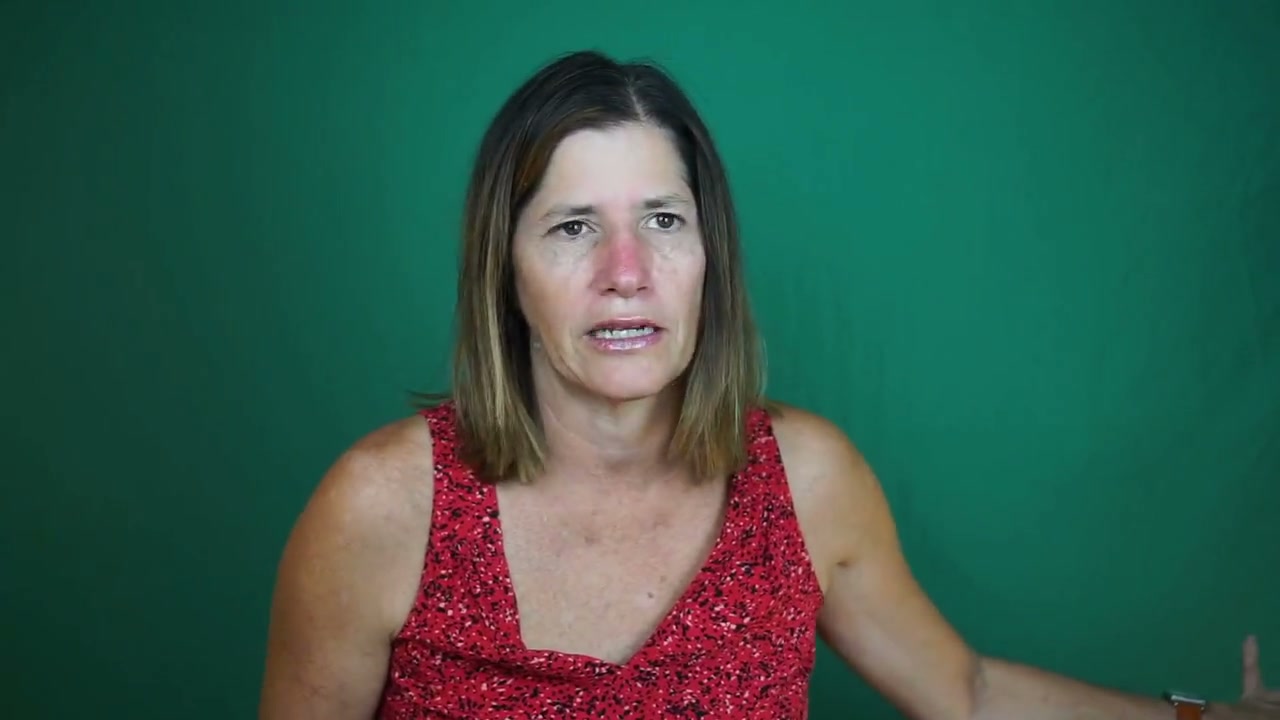 1:25
On breaks, actually disconnect
Get a book with nothing to do with school. The work will still be there.
With Tammy Striler
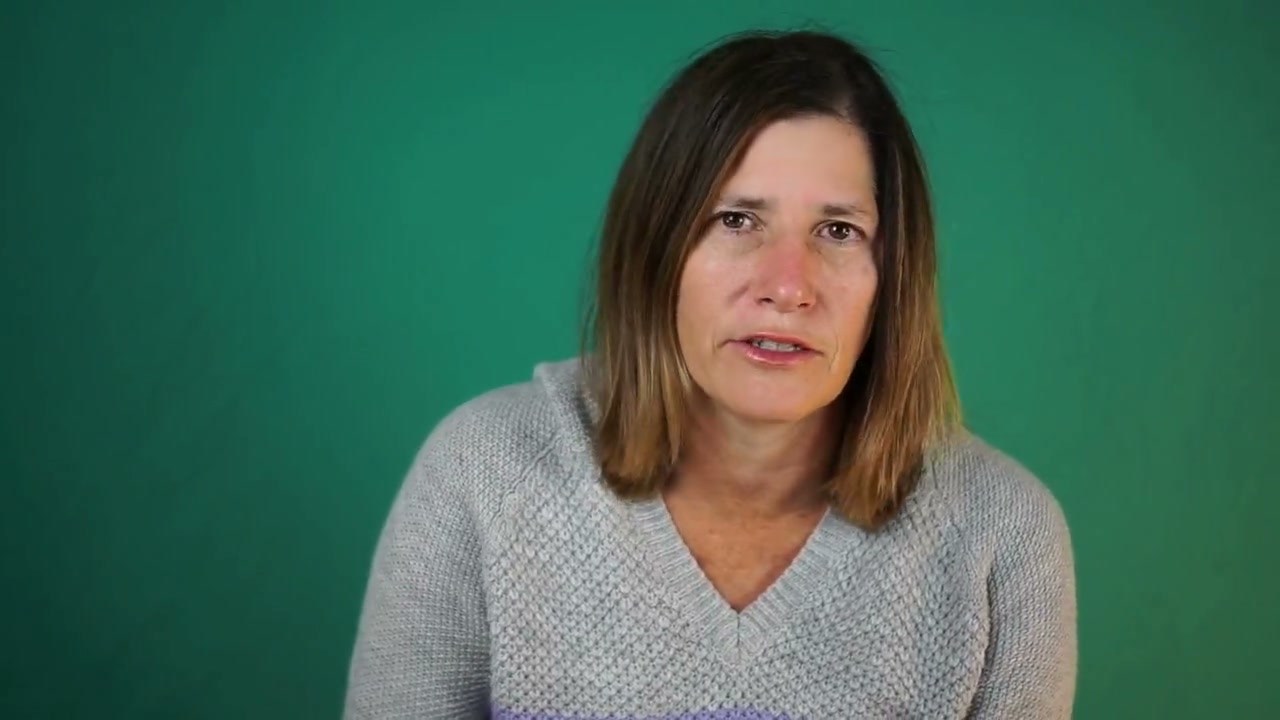 1:27
Take work email off your phone
One message before bed and you're not sleeping. Keep it on the computer.
With Tammy Striler
More from the Field Guide
Teach routines like they're content
Every transition you don't teach, you'll spend the year managing.
Written with AI — not by Tammy
Ask what the behavior is for
Most misbehavior is a student getting something or avoiding something. Find out which.
Written with AI — not by Tammy
Settle phones on day one
Know your school's rule, turn it into one routine, and enforce it calmly every day.
Written with AI — not by Tammy