Ask what the behavior is for
Most misbehavior is a student getting something or avoiding something. Find out which.
Written with AI — this one isn’t Tammy. The Field Guide covers ground her videos don’t, and keeps to what’s well established. It doesn’t know your students, and nothing here overrides your school’s policy or your state’s law. · 1 min read
What to do
- Behavior usually serves a purpose: escaping a task, getting attention, getting something they want, or managing how they feel. Respond to the purpose, not just the act.
- A student who acts out to escape a hard task is rewarded by being sent out. If that keeps happening, the consequence is feeding the behavior.
- Start with the smallest correction that works: a look, standing nearby, a quiet word at their desk. Save public corrections for when private ones fail.
- Never argue in front of an audience. State the expectation, offer a choice, and step away so they can comply without losing face.
- After a serious incident, repair matters as much as the consequence: what happened, who was affected, and what needs to be put right.
Why it works
Consequences on their own rarely change a pattern, because they don't touch the reason the pattern exists. Once you know what a behavior gets a student, you can teach them a better way to get it — asking for a break instead of throwing the worksheet, say. It also makes the whole thing less personal, which keeps you calmer, which helps everyone.
Try this tomorrow
For one recurring behavior this week, jot down what happened just before it and just after it, three or four times. The pattern is usually obvious by Friday.
Watch out
Consistency beats severity. A small consequence that happens every single time works better than a big one that happens now and then. And follow your school's discipline and documentation process — it protects you too.
Tammy on this
The same subject from someone who has actually done it for thirty years.
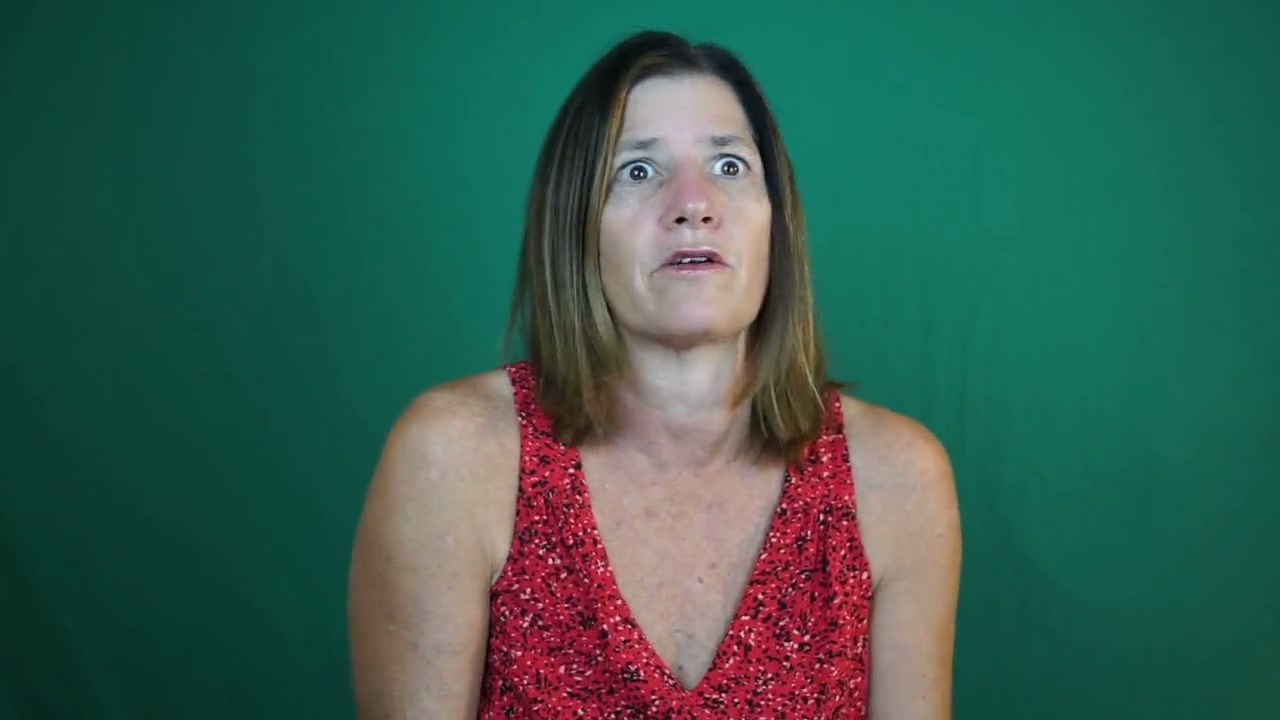 2:06
Don't spend your own money on incentives
Bribery works. The things kids want most happen to be free.
With Tammy Striler
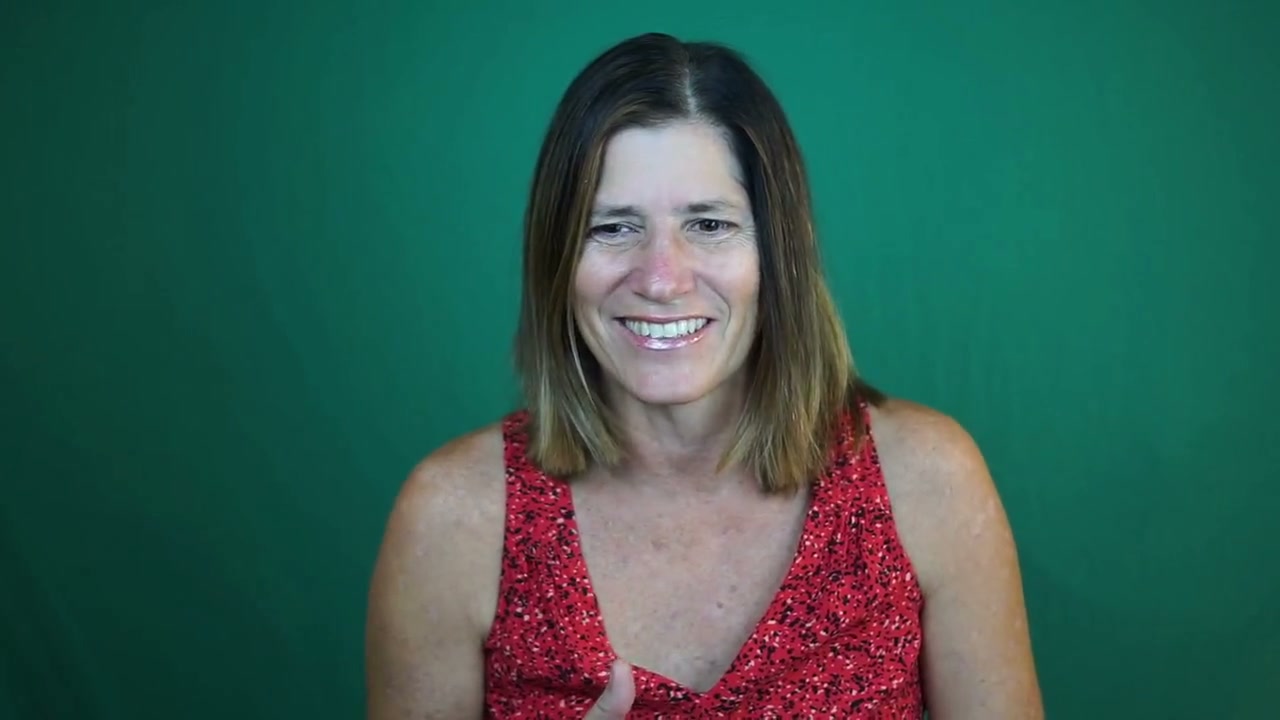 2:01
Use humor
Let them see you're human. It's what they'll actually remember.
With Tammy Striler
More from the Field Guide
Teach routines like they're content
Every transition you don't teach, you'll spend the year managing.
Written with AI — not by Tammy
Settle phones on day one
Know your school's rule, turn it into one routine, and enforce it calmly every day.
Written with AI — not by Tammy
Wait three seconds after you ask
Silence after a question isn't dead air. It's thinking time — and most of us cut it off.
Written with AI — not by Tammy